
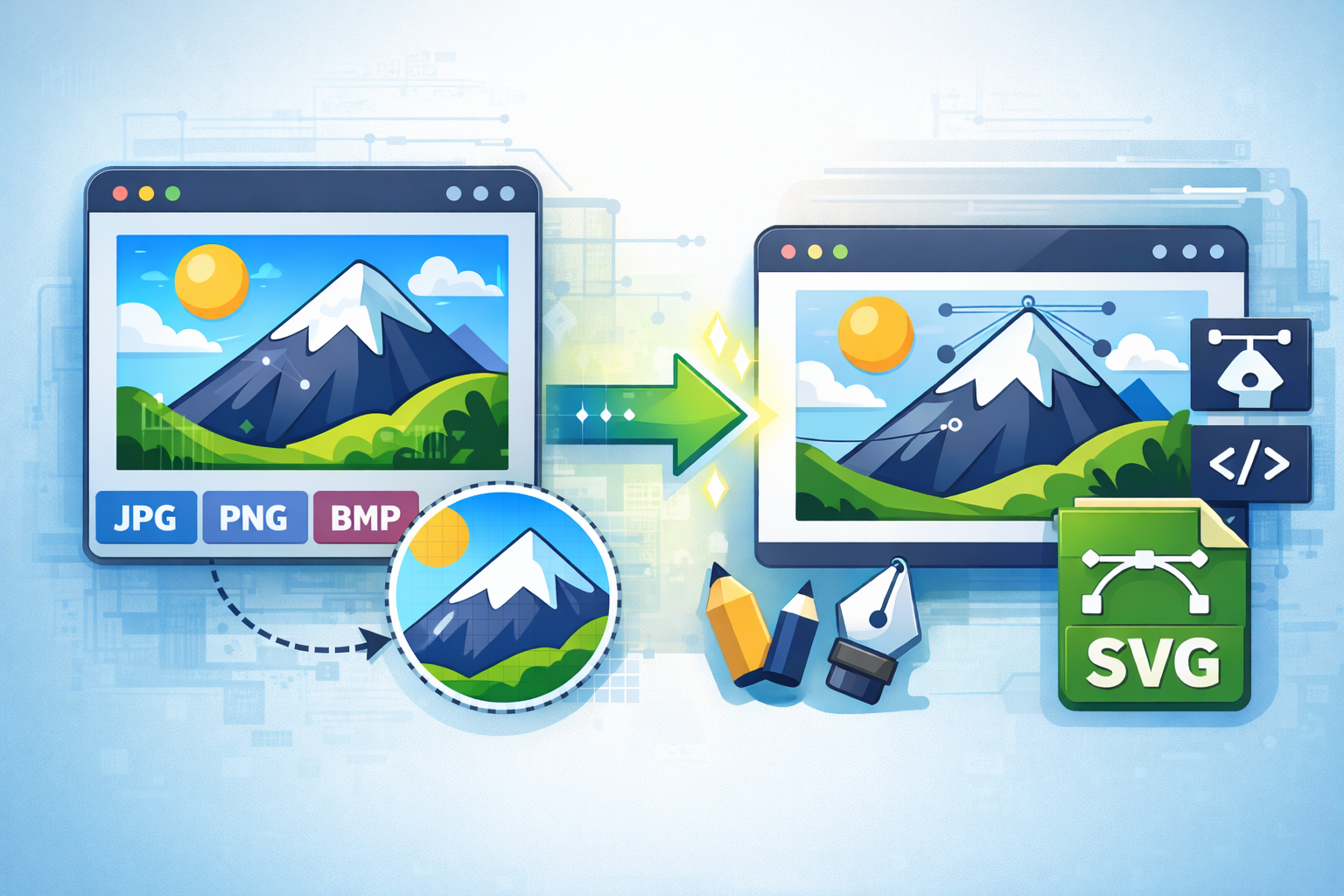
In the modern digital age images play an important role on blogs, websites social media, as well as online stores. However, transferring images directly via a phone or camera can lead to issues like slow loading websites and poor quality or non-supported formats. This is the reason knowing how to convert images to Online Projects is essential for any person working with digital content.
Image conversion is the process of changing the format of a photo’s file resolution, size or compression level, so that it can be used on web sites and other online platforms. If you’re building your blog, operating an online store, making images as well as managing social media platforms, correctly converted images will result in quicker loading speeds, higher SEO, and a more pleasant user experience.
This guide will guide you through all the information you should know, from choosing the appropriate methods and formats to avoid the most common mistakes. In the end you’ll know how to transform images to professional quality and make them perfect for online projects of any kind.
Why Image Conversion Matters for Online Projects
Images are typically the biggest images on a website. If they’re not optimized correctly they could significantly slow down your site.
and building healthy habits are the most important reasons for why image conversion is so important:
1. Faster Website Loading Speed
Large images can impede the loading time of pages. Converting images into optimized formats such as WebP or compress JPEG helps to reduce file size while preserving quality.
2. Better User Experience
Visitors expect fast-loading websites. If sites are slow to load, many visitors will quit the site immediately.
3. Improved SEO Rankings
Search engines favor websites that are fast. Optimized images can lead to higher ranking in search engines and increased visibility.
4. Compatibility Across Platforms
Different platforms require different formats. Converting images will ensure that they appear correctly on mobile devices, websites and applications.
5. Reduced Storage and Bandwidth
Smaller images help save server space and decrease bandwidth consumption This is especially important for websites with large amounts of traffic.
Common Image Formats Used Online
Understanding the various formats for images is the first step to learning how to convert pictures to Online Projects.
| Format | Best Use | Advantages |
|---|---|---|
| JPEG | Images and photos that are complex | Small file size Widely supported |
| PNG | Images and graphics that are transparent | Quality, high-end, and allows for transparency |
| WebP | Modern websites | Very compact size and excellent quality |
| GIF | Simple animations | Animation support |
| SVG | Icons and logos | Scalable without loss of quality |
The format you choose to use depends on the kind of image and needs of the project.
Steps to Convert Pictures for Online Projects
Converting images is simpler than many people imagine. Follow these easy steps.
Step 1: Choose the Correct Image Format
Select the layout that best matches your requirements.
- Photos – JPEG or WebP
- Transparent images – PNG
- Icons or logos SVG – SVG
Step 2: Resize the Image
Images must be in the exact dimensions required on your site.
Example:
- Blog featured image 1200×800 pixels
- Product images – 800×800 pixels
Resizing can prevent unnecessary large files from becoming unnecessarily large.
Step 3: Compress the Image
Compression can reduce file size, but without significantly affecting the quality.
Lossy compression erases a portion of information to reduce the size of files but lossless compression preserves the original quality.
Step 4: Convert the File Format
Make use of an image converter tool to convert images into different formats.
For instance:
PNG – JPEG
JPEG – WebP
Step 5: Optimize Metadata
Get rid of unnecessary metadata like camera details or location information to reduce the file size.
Best Tools for Image Conversion
There are numerous tools to convert images swiftly and effectively.
Online Image Conversion Tools
These tools function directly within your browser.
- CloudConvert
- Convertio
- Online-Convert
These platforms let users upload photos, choose the format they want and download the resulting image immediately.
You can look into one of the most used tools here:
https://cloudconvert.com/
Desktop Image Editing Software
Desktop programs provide more advanced control.
Adobe Photoshop
- Professional editing, conversion and editing
- Advanced compression settings
GIMP
- Open-source and free
- Editing features that are powerful
Paint.NET
- Light and easy to use for beginners.
Batch Conversion Tools
For larger tasks, the batch tool can can save time.
Examples include:
- XnConvert
- ImageMagick
- FastStone Photo Resizer
Batch processing lets you convert hundreds or even dozens of images simultaneously.
Best Practices for Image Optimization
For the most effective results when you convert images, adhere to these methods.
Use Modern Image Formats
WebP and AVIF provide smaller file sizes but maintain the highest quality.
Maintain the Right Balance Between Size and Quality
Extremely compressed images may appear blurry or appear pixelated.
Aim for:
- High quality visuals
- Small size file
Use Responsive Images
Responsive images automatically adjust themselves to the size of your screen, which improves the performance of mobile devices.
Rename Image Files Properly
Make use of descriptive names instead generic filenames.
Example:
bad: IMG_4532.jpg
good: blue-running-shoes.jpg
This can also boost SEO.
Add Alt Text
Alt text can help search engines comprehend images and enhances accessibility.
Common Mistakes to Avoid When Converting Images
Many novices make mistakes that affect the quality of images or affect the performance of websites.
Uploading images directly from an camera
Camera images can range from a few megabytes.
Always compress and resize them first.
Using the Wrong File Format
For instance the use of PNG for large images can dramatically increase file size.
Over-Compressing Images
The excessive compression creates visible artifacts and lowers professionalism.
Ignoring Mobile Optimization
Images should function well on both mobile and desktop devices.
Not Testing Image Performance
Always be aware of how images impact page speed by using tools such as Google PageSpeed Insights.
Advanced Techniques for Image Conversion
For professionals who manage massive websites or web-based applications, advanced techniques could increase performance.
Automated Image Optimization
Certain content management systems automatically optimize images for upload.
Examples include:
- WordPress Image optimization plugins
- Cloud-based optimization services
Using Content Delivery Networks (CDNs)
CDNs provide optimized images from servers nearer to the user which improve the speed of loading.
Lazy Loading Images
Lazy loading slows loading images until users scroll down.
This greatly improves page loading speed.
How Image Conversion Helps SEO
Image optimization is a key factor in improving the search engine results.
Benefits include:
- Speedier page load speed
- Better mobile performance
- Improved crawlability
- Higher user engagement
Search engines look at these aspects when determining the ranking of websites.
Frequently Asked Questions
1. What is the most effective design for images on websites?
WebP is typically the best option because it provides high quality compression and quality, and is widely accepted by modern browsers.
2. How can I change images with no loss of quality?
Yes. Lossless compression lets you reduce the size of your files with no noticeable quality loss.
3. How big images are required for web sites?
The majority of images on websites should be less than 200 KB If possible, and maintain an acceptable level of quality.
4. Is PNG superior to JPEG?
It’s all about the image. PNG is more suitable for images that have transparency, whereas JPEG is ideal for photos.
5. What is batch image transformation?
Batch conversion allows several photos to be transformed simultaneously which saves time when working on large projects.
6. Do image converters reduce image quality?
However, not all the time. If you do it correctly and use the right compression settings, the quality of images is maintained at a high level.
Conclusion
The ability to understand how to convert pictures to Online Projects will be vital for anyone who works in digital media such as blogging, web design, or in online business. Correctly optimized images boost website speed, enhance the user experience, and improve SEO performance.
When you select the appropriate picture format, changing the size of images properly, effectively compressing files and using dependable converters to ensure that your images are optimized for every platform.
Avoid common mistakes, such as uploading images that are too large or using wrong formats. Instead, adhere to the guidelines and sophisticated optimization techniques to produce fast professional, polished, and visually attractive online content.
When you have the right method making images more efficient and convert them is a straightforward process which significantly increases the success of any online venture.