
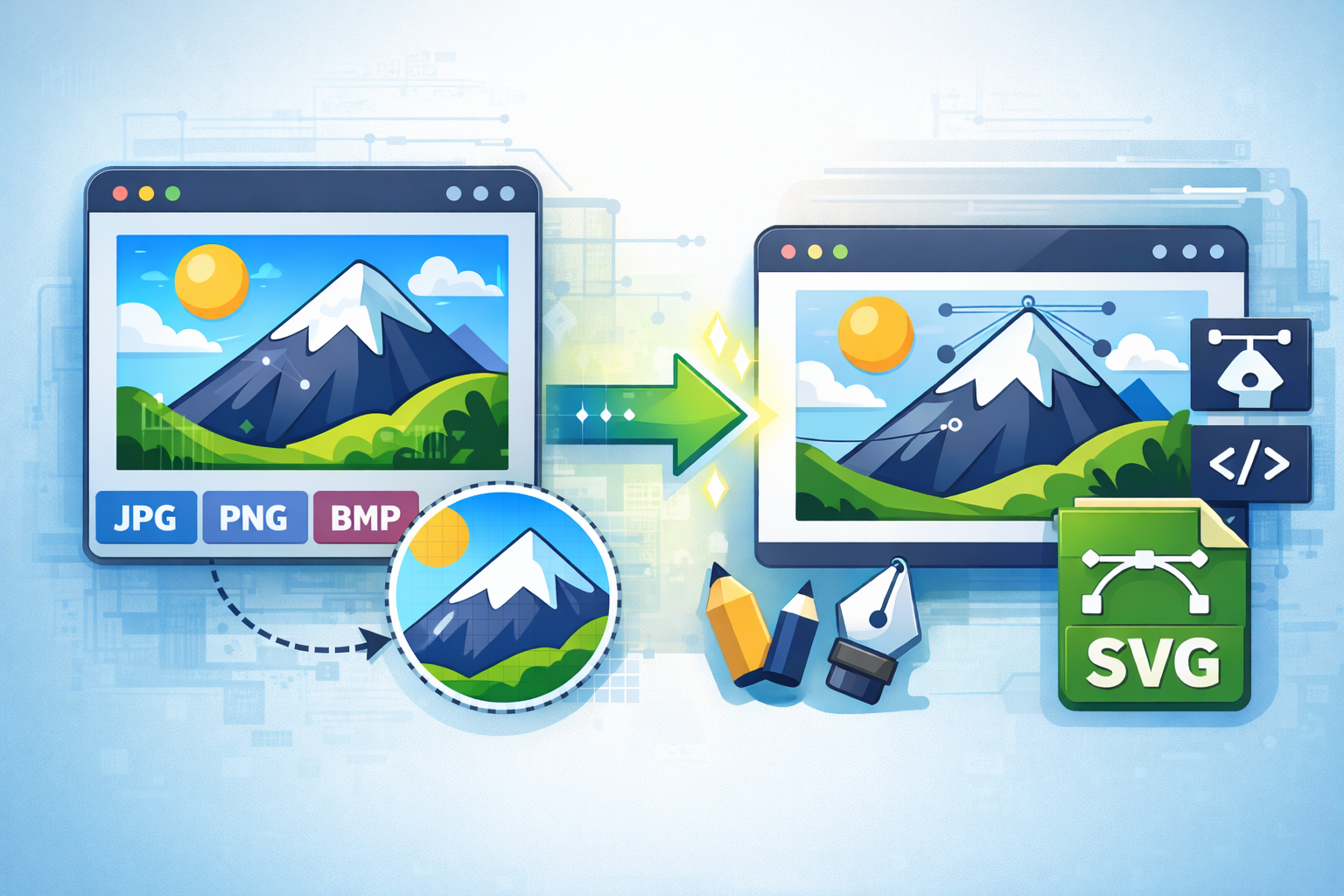
Introduction to Image Conversion
Images are all over the web. When you’re developing a site and sending documents or sharing images online, the process of converting images from different formats to another can be a standard job. A lot of people use online tools due to the fact that they’re quick, easy to use and don’t require any installation.
But, security is often not considered. When you upload pictures on a website it is essentially sharing your files with a third-party. If the website isn’t secured your data could be viewed, stored without permission, or used in a way that isn’t intended.
This guide will explain how to convert images safely using online tools while preserving your privacy and preserving high quality images. We’ll look at the best methods, trusted tools, security threats and tips for practical ways to ensure a safe and effective image conversion.
Understanding Image File Formats
Before you convert images, it is beneficial to be aware of the standard formats of files used online.
JPEG (JPG)
JPEG is among the most popular image formats. It is perfect for photos as well as images that have a variety of colors since it reduces the file size efficiently.
Advantages:
- Small size file
- Widely loved and
- Ideal for web use
Disadvantages:
- Lossy compression (quality could diminish)
PNG
PNG files have high quality and also support transparent backgrounds.
Advantages:
- Compression that is lossless
- Helps to promote Transparency
- Images of high-quality
Disadvantages:
- Larger file sizes
WEBP
WEBP is a contemporary format that was designed specifically for websites.
Benefits:
- Smaller file sizes
- High image quality
- Faster website loading speeds
GIF
GIF files can be animated, but have a limited depth of color.
They are mostly employed for short animations as well as simple graphics.
Why People Convert Images Online
There are many reasons that people convert photos using online tools.
Website Optimization
Large images can make websites slow. Converting images to optimized formats such as WEBP speeds up loading time as well as the SEO speed.
Compatibility
Certain applications only support certain formats. Converting images will ensure that the images are compatible across all platforms.
File Size Reduction
Many people convert photos to save space and speed of upload.
Editing and Sharing
Different formats are best suited to editing, printing as well as sharing via online.
How to Convert Images Safely Using Online Tools
When you’re learning how to convert images Securely using online Tools security must be the first priority.
Choose Reputable Tools
Always go with trusted platforms with excellent reputations and transparent privacy guidelines.
Convertors that are reliable typically comprise:
- Secure HTTPS connections
- Automatic file deletion
- Transparent data policies
Some examples of trusted tools are:
- CloudConvert
- ILoveIMG
- Convertio
- TinyPNG
There are also resources available such as
https://cloudconvert.com which provide secure conversion services.
Check Privacy Policies
Before uploading files read the privacy policies of the platform.
Find statements that confirm that:
- Files aren’t stored forever
- Files are deleted automatically
- The files are not shared with any third party
Use HTTPS Websites
Always ensure that the website’s URL begins with https http:/The URL should begin with https:/.
HTTPS encryption ensures:
- Secure data transfer
- Protection against interceptions
- Securer upload of files
Avoid Uploading Sensitive Images
Even secure websites pose a dangers.
Avoid uploading:
- Personal identification documents
- Private photos
- Confidential business documents
For files that are sensitive, you can choose off-line software instead.
Step-by-Step Guide to Safe Image Conversion
practical tips you can apply in everyday life. From boosting confidence is a step-by-step guideline that you can all follow.
Step 1: Choose a Trusted Tool
Choose a trusted converter that has high ratings with secure encryption.
Step 2: Upload the Image
Drag and drop your photo file onto the computer or Upload it yourself.
Step 3: Select the Output Format
Select the format you prefer Choose the format you want, for example:
- JPG
- PNG
- WEBP
- GIF
Step 4: Adjust Settings
Certain tools let you manage:
- Image quality
- Compression level
- Resolution
Step 5: Convert and Download
Click the convert button, and download the converted file after the conversion process is completed.
Best Online Image Conversion Tools
we’re here to help you grow stronger mentally and emotionally. are some well-known and reliable choices.
| Tool | Key Features | Best For |
|---|---|---|
| CloudConvert | Supports over 200 formats | Professional use |
| ILoveIMG | Simple interface | Beginners |
| Convertio | Cloud storage integration | Flexible file |
| TinyPNG | Advanced compression | Web optimization |
Each tool uses secure processing and automated deletion policy.
Benefits of Using Online Image Converters
Online converters have many advantages.
No Installation Required
Images can be converted right in their browsers without having to install software.
Cross-Device Access
Online tools function on:
- Computers
- Tablets
- Smartphones
Fast Processing
The majority of converters finish jobs in just a few seconds.
Support for Multiple Formats
Numerous platforms support dozens, and even hundreds types of files.
Common Mistakes When Converting Images Online
Many users are unaware of their mistakes which affect image security or quality.
Using Unknown Websites
Certain image converters are infected with malware or collect data from users.
Always check out tools prior to uploading files.
Ignoring File Size Limits
Many converters are able to limit the size of files. Uploading large images may fail or reduce quality.
Over-Compressing Images
A lot of compression can reduce image quality drastically.
The balance between the quality of your file and its size to achieve the best outcomes.
Not Checking the Output
Always check the image you have converted to be sure:
- Correct resolution
- Proper color quality
- No distortion
Tips for Maintaining Image Quality
Image conversion should not degrade the clarity of images.
Use Lossless Formats When Needed
The PNG or TIFF formats maintain full quality.
Adjust Compression Carefully
Make compression levels gradual instead of rushing.
Keep the Original File
Always back up your original file in the event that the file is converted and loses its quality.
Security Risks of Online Image Conversion
While they are convenient online converters can be convenient, they carry certain dangers.
Data Exposure
Files could be saved on servers when the software isn’t able to automatically delete them.
Malicious Websites
Some converters could infuse malware or collect data.
File Retention
Certain platforms save files for days or hours.
Choose a service that will delete the files immediately following the conversion.
Offline Alternatives for Secure Image Conversion
For sensitive files offline tools are more secure.
The most popular options are:
- Photoshop
- GIMP
- XnConvert
- IrfanView
These tools permit image conversion without the need to upload files to servers outside of the program.
FAQs About How to Convert Images Safely Using Online Tools
1. Can online converters for images be considered secure to utilize?
Yes, a lot of trusted converters are secure. Always check the reputation of the website, encryption, and privacy policy prior to uploading your files.
2. What is the safest image format for web use?
WEBP is thought to be to be one of the most secure and most reliable web-related formats due to the fact that it balances quality and size.
3. Do online converters store uploaded images?
Some tools temporarily store files during processing. Most trusted converters delete files immediately following the conversion.
4. Can image conversion reduce quality?
Yes. Making the switch to lossy formats such as JPEG may reduce the quality. Utilize lossless formats such as PNG to preserve quality when quality is essential.
5. What should I avoid uploading to online converters?
Do not upload sensitive documents, private photographs of identification, documents, or sensitive documents for business.
6. Is offline image conversion better for privacy?
Yes. Offline tools store files on your device, removing the risk that come with uploading files to servers online.
Conclusion
Knowing how to convert images safely using online Tools is vital for anyone who works in the field of digital media. While online converters can be fast and ease of use, security should always be the top priority.
If you select reliable tools, confirming security protocols and avoiding vulnerable uploads you will be able to ensure your data is safe while enjoying the benefits of fast image conversion.
Always read the privacy policies of your organization, make backups of your original files and make use of offline software when working with sensitive images. By following these best practices, you can ensure that the image conversions you make remain safe effective, efficient, and of top quality.