
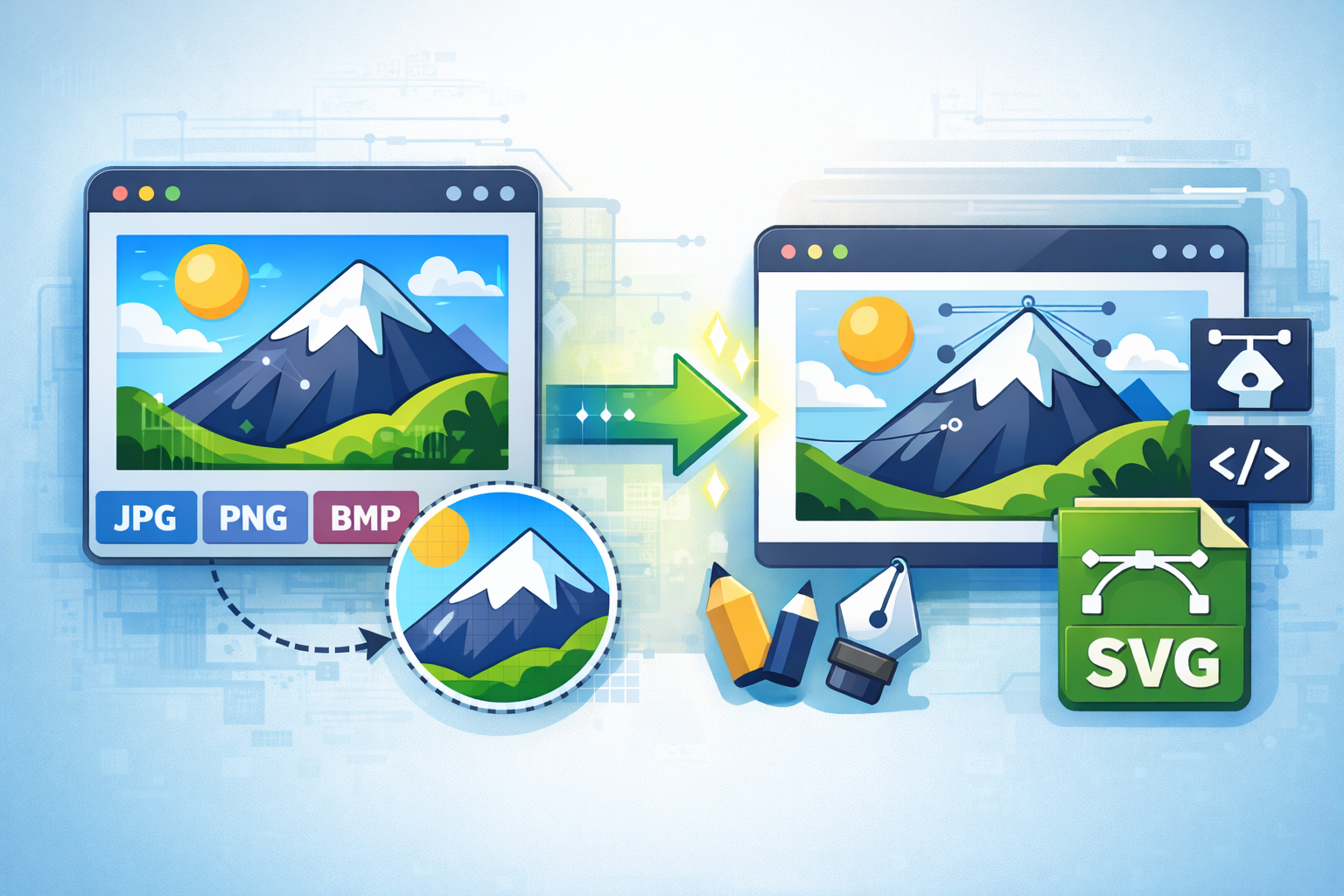
Introduction to How to Convert Images for Web and Mobile Use
Images play a major part in the modern web and mobile apps. They can make content more enjoyable visually appealing and easy to comprehend. However, excessive or poorly formatted images may slow down websites, increase the amount of data used and impact negatively on the user experience.
Knowing the process of converting images to Web or mobile Use is vital for bloggers, web developers as well as designers and companies. When images are optimized correctly pages load quicker mobile users use less data as well as search engines will rank the site better.
In today’s digitally-driven world people expect websites to load in minutes. If your photos aren’t optimized, they might leave without even seeing your content. This article will explain all you must know about how to convert images to be effective for both the mobile and web platforms.
We’ll discuss the most effective techniques, formats commonly used, mistakes and compression techniques SEO optimization, and practical guidelines to make sure that your photos look amazing while ensuring high-performance.
Why Image Conversion Matters for Web and Mobile
Image conversion isn’t just about changing the format of a file. It involves compressing, resizing and enhancing images in order to load fast while maintaining their the visual quality.
Improves Website Speed
Images with large files can dramatically reduce the speed of websites. Converting images to web-friendly formats drastically reduces the files’ size, allowing websites to load quicker.
Enhances Mobile Experience
Mobile devices are often dependent on slow connections and a the limited plans for data. Optimized images cut down on bandwidth usage and provide more fluid browsing.
Boosts SEO Performance
Search engines favor websites that are fast. Images that are optimized properly can increase ranking in search results and boost the visibility of your site.
Saves Storage and Bandwidth
Images compressed with compression take up less server space, which reduces the cost of hosting over time.
Best Image Formats for Web and Mobile
Selecting the correct format is among the most important things to consider when you are learning how to convert images to Web and Mobile.
| Format | Best Use Case | Advantages | Limitations |
|---|---|---|---|
| JPEG | Photographs | Small file size and widely supported | Quality loss due to compression |
| PNG | Logos, graphics and graphic designs | Transparent background | Larger file size |
| WebP | Modern websites | High compression, with high top quality | Support is not always available for older systems. |
| SVG | Vector graphics and icons | Scalable without loss of quality | Unsuitable for photographs |
| AVIF | Next-gen images | Extremely effective compression | Limited support for browsers |
Understanding Image Compression
Image compression can reduce the size of files while preserving an acceptable quality.
Lossy Compression
Lossy compression erases certain images permanently. This causes smaller file sizes, however slightly lower quality.
Examples include:
- JPEG
- WebP (lossy mode)
Lossless Compression
Lossless compression can reduce the size of files without removing image information.
Examples include:
- PNG
- WebP (lossless mode)
For photographs, lossy compression works best. For logos and graphics, lossless compression is generally preferred.
Steps to Convert Images for Web and Mobile Use
1. Choose the Correct Image Format
Different kinds of images require different formats. Photographs are typically using JPEG or WebP While graphics could make use of PNG and SVG.
2. Resize Images Properly
Uploading large images is a waste of bandwidth.
For instance:
- Blog images: 1200px width
- Mobile images: 600-800px width
- Thumbnails 300px length
3. Compress the Image
Use compression tools to decrease the size of your files without noticing quality loss.
4. Rename Image Files for SEO
Make descriptive filenames like:
mobile-image-optimization.jpg
instead of:
IMG_00345.jpg
5. Add Alt Text
Alt text can help search engines comprehend the images you have uploaded and helps improve accessibility.
Example:
alt="optimized website images for mobile devices"
Top Tools to Convert Images for Web and Mobile
Many tools can simplify the process of image conversion.
Online Image Optimization Tools
- TinyPNG
- Squoosh
- ImageOptim
- Compressor.io
A great resource to optimize your performance includes the Google Squoosh tool that is accessible here:
https://squoosh.app/
These tools let users drag and drop images, and instantly compress or convert them to more modern formats such as WebP and AVIF.
Using WebP for Faster Websites
WebP is a new format that was developed by Google that provides significantly smaller file sizes when compared to JPEG or PNG.
Benefits include:
- As much as 30 percent smaller files
- Supports Transparency
- It works with lost and compression.
Most modern browsers support WebP which makes it the ideal option for web performance.
Responsive Images for Mobile Devices
Images that respond automatically adjust to the various screen sizes.
Utilizing the HTML srcset Attribute
This technique lets browsers select the most appropriate image size based on the screen resolution.
Example:
This means that mobile users download lower resolution images, while desktop users get high-resolution versions.
Lazy Loading for Faster Performance
Lazy loading slows image loading until the images show on the screen of the user.
Benefits include:
- Speedier initial page load
- Utilization of bandwidth is reduced
- Improved user experience
HTML example code:
Modern frameworks allow lazy loading. This is done automatically.
Automating Image Optimization
Large websites usually automatize the optimization of images to cut down on time.
Common solutions are:
- CMS plug-ins (WordPress optimizing plugins)
- Content Delivery Networks (CDNs)
- APIs for optimizing images
Automation assures that every uploaded image is converted and compressed automatically.
Common Mistakes When Converting Images
Avoid these common mistakes while learning how to convert images to Mobile and Web use.
Uploading Original Camera Images
Camera images can be larger than 10MB, which is a huge slowdown for websites.
Ignoring Image Dimensions
Even images compressed with compression could be huge if their dimensions are too large.
Using PNG for Photographs
PNG files are larger in size JPEG as well as WebP for images.
Over-Compression
Overcompression can lead to blurry images and decrease visual quality.
Skipping Alt Text
The absence of alt text can reduce the SEO value and makes it less accessible.
SEO Best Practices for Optimized Images
Optimized images can significantly improve ranking in search engines.
Use Descriptive File Names
Example:
convert-images-web-mobile-guide.webp
Add Structured Image Data
Schema markup helps search engines better understand visual content.
Optimize Image Size
Google suggests keeping images below 200KB as often as is possible..
Use Modern Formats
WebP and AVIF aid in improving loading speeds and rank signals.
Image Conversion Workflow for Beginners
practical tips you can apply in everyday life. From boosting confidence is a basic procedure that you can follow.
- Resize the image to meet the required dimensions
- The image can be converted into WebP or JPEG
- Convert the file with an optimization tool
- Change the file’s name to include SEO keywords
- Upload the image and upload it with alt text
This ensures maximum performance across all devices.
FAQs About How to Convert Images for Web and Mobile Use
1. What is the most suitable format for images on the web?
JPEG is ideal for photography and videos, while WebP is usually the most option for modern times because it delivers top quality compression along with excellent quality.
2. How big images should they be for mobile sites?
The majority of mobile images should measure between 600px to 800px to maintain quality and speed of loading.
3. Does image optimization help SEO?
Yes. faster page speeds and properly optimized images enhance the user experience and rank in search results.
4. What’s the distinction between conversion and compression?
Conversion alters the image’s format while compression reduces file size.
5. Are WebP images accessible all over the world?
The majority of modern browsers have support for WebP However, older browsers might need JPEG or PNG alternative versions.
6. Can I automate image optimization?
Yes. A lot of CMS platforms as well as CDNs, plugins and CMS platforms automatically compress and convert images when uploading.
Conclusion
Knowing the process of converting images to Web and Mobile Utilization is vital to create speedy, user-friendly websites. Optimized images can reduce loading times for pages, enhance mobile performance and improve the visibility of search engines.
If you select the correct format, correctly resizing images while compressing them, and employing responsive methods will dramatically boost web performance, without sacrificing quality of images.
Modern technology and automated tools make the process simpler than ever. No matter if you run a blog, an e-commerce site or a mobile-friendly application Optimized images will provide a more smooth and professional experience to your customers.