
Introduction
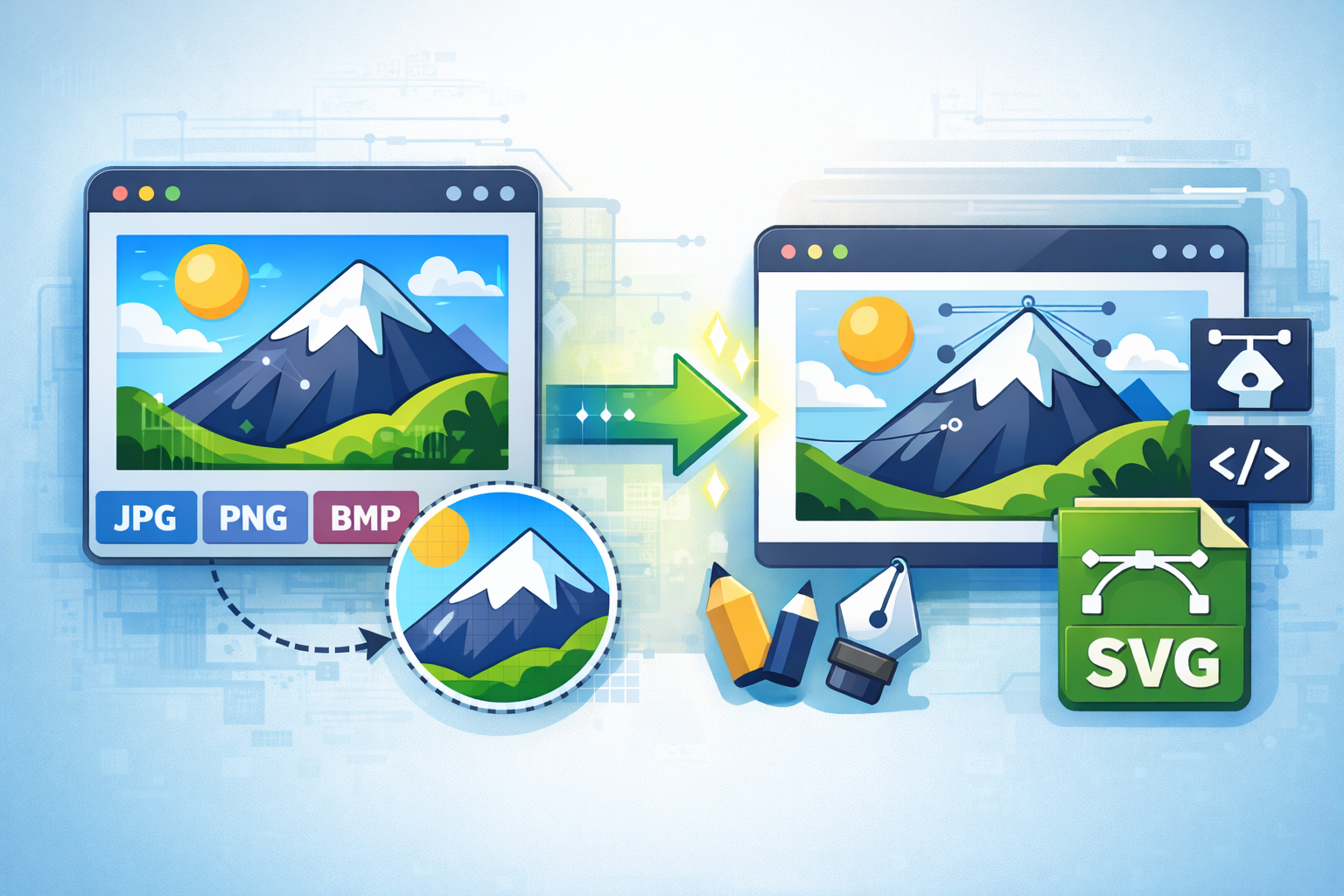
In the digital age, images play an important role in blogs, websites as well as social media and even online businesses. However, large images could slow down websites and consume storage. They also affect the users’ experience. This is why knowing how to convert and compress Images Online is an essential skill for anyone handling digital content.
Image conversion lets you alter an image from an image format into another, for example JPG in PNG format or from PNG into WebP. The compression process reduces the size of the image while preserving the quality of the image. Together, these techniques help increase the speed of loading websites SEO performance, loading speed and overall effectiveness.
The good news is that modern online tools make it extremely simple. You don’t need sophisticated tools or technical knowledge. In just a few clicks you can transform and compress images directly through your web browser.
In this tutorial we will go over all you should be aware of how to convert and compress Images Online with techniques, tools, the top practices, common mistakes and expert advice.
Why Image Conversion and Compression Matter
Improved Website Speed
Images with large files can dramatically slow down a site. Websites that are faster provide more user-friendly satisfaction and are ranked higher on search engines.
Better SEO Performance
Search engines favor pages that load quickly. Optimized images increase the speed of pages and improve results.
Reduced Storage Usage
Compressed images occupy less space on cloud storage or devices.
Faster Uploads and Downloads
Smaller images upload faster and load faster for users, particularly for mobile devices.
Understanding Image File Formats
Before figuring out how to convert and compress Images Online, it’s essential to be aware of the most common formats for images.
| Format | Best For | Key Feature |
|---|---|---|
| JPG / JPEG | Photographs | Smaller size, but excellent quality |
| PNG | Graphics and transparency | High-quality, with transparent backgrounds. |
| WebP | Modern websites | High quality compression, with high quality |
| GIF | Simple animations | Limited colors |
| SVG | Vector graphics | Scalable without loss of quality |
Selecting the correct format will significantly reduce the size of files without excessive compression.
How to Convert and Compress Images Online
The process of converting and compressing online images usually requires just three steps.
Step 1: Upload Your Image
Go online to find an image converter or compressor site and send your images to the tool. The majority of tools can work with formats such as JPG, PNG, GIF and WebP.
Step 2: Choose Format or Compression Level
Choose the preferred output format (for instance JPG or WebP) and alter the compression settings, if they are available.
Step 3: Download the Optimized Image
After processing after processing, download the converted or compressed version. The image you download will be smaller and better optimized.
The process generally takes several minutes.
Best Online Tools for Image Conversion and Compression
Numerous trusted online platforms allow image optimization to be simple.
1. TinyPNG
TinyPNG utilizes sophisticated compression techniques to shrink PNG and JPG size, without any an obvious loss in quality.
2. ILoveIMG
ILoveIMG provides a variety of tools, including images compression and resizing along with format transformation.
3. Squoosh
Created through Google, Squoosh allows detailed compression control as well as format conversion.
4. Convertio
Convertio is compatible with a variety of formats of data and can be used online, with no installation of software.
5. ImageOptim
ImageOptim allows for powerful image optimization that preserves the quality of images.
For more information about image optimization techniques, visit:
https://developers.google.com/speed/webp
Tips for Maintaining Image Quality
When you are learning how to convert and compress Images Online, maintaining the quality of your images is crucial.
Use the Right Format
- JPG to use for photography
- PNG graphics that have transparency
- WebP is a modern way to build websites.
Avoid Excessive Compression
A lot of compression can result in visible artifacts as well as blurred images.
Resize Images Before Uploading
If the image is bigger than it is needed, reduce the size prior to compressing it.
Test Image Quality
Always check the compressed images prior to publishing them.
Advanced Image Optimization Techniques
Professionals usually employ advanced techniques to achieve more effective outcomes.
Batch Compression
Batch tools permit you to compress multiple images in one go to save time.
Use WebP Format
WebP images tend to be 25-35 percent less that JPG or PNG images, while maintaining the same quality.
Lazy Loading
Lazy loading makes sure that images are loaded only when the user scrolls to them, thereby increasing speed on the page.
Content Delivery Networks (CDN)
CDNs share images across multiple servers in order to provide faster loading throughout the world.
Common Mistakes to Avoid
A lot of beginners make errors when it comes to optimizing images.
Uploading Huge Images
Uploading images that are large and then compressing them later on may reduce the quality. Always first resize the image.
Using the Wrong File Format
As an example for example, the use of PNG to store large images instead of JPG can increase file size without need.
Ignoring Mobile Performance
Mobile users are often experiencing lower speeds, making compression more essential.
Over-Compressing Images
In excess compression results in poor quality visuals and blurred images.
How Image Compression Helps SEO
Search engines view page speed as an important factor in ranking.
Benefits include:
- Faster loading pages
- Better user engagement
- Lower bounce rates
- Mobile performance has been improved
If images are properly optimized websites load faster and appear higher in results for searches.
Manual vs Automatic Image Optimization
| Method | Pros | Cons |
|---|---|---|
| Manual Optimization | Full control over quality | Time is longer |
| Automatic Tools | Simple and fast | There is less control over compression |
Many webmasters combine both strategies to achieve the optimal results.
Security Considerations When Using Online Tools
When learning how to convert to and Compress Images Online, it’s essential to choose reliable platforms.
Tips to be safe:
- Beware of uploading images that are sensitive
- Utilize the most well-known tools
- Check privacy policies
- Delete files after downloading
Future Trends in Image Optimization
Technology continues to advance techniques for compressing images.
The upcoming trends include:
- AI-based compression algorithms
- New formats that go beyond WebP
- Automatic image optimization for websites
- Real-time conversion of images using browsers
These advancements can make image optimization quicker and efficient.
Frequently Asked Questions (FAQs)
1. What is the most effective design for images on websites?
WebP is currently among the most popular web formats as it offers excellent compression and great visual quality.
2. Does compressing images reduce quality?
Yes, modern compression tools limit the loss of quality in visible form while decreasing the size of files.
3. Can I transform multiple images at one time?
Yes, most online tools allow batch processing. This allows users to compress and convert multiple images at the same time.
4. Do you need to compress images on small sites?
Yes. Even websites that are small get faster load times and a better user experience.
5. Are online image compressors secure?
The majority of trusted platforms are safe. However, do not upload sensitive or private photos.
6. What is the ideal image size for web pages?
Typically, images that are between 100 and 300 KB offer a balanced combination of performance and quality.
Conclusion
The ability to learn how to convert and compress Images Online is an essential skill for bloggers marketers, website owners and even designers. Optimized images can improve site performance, improve user experience, and lead to higher rankings on search engines.
If you select the appropriate formats and using reliable tools as well as avoiding the common errors you can drastically minimize the size of your images, without sacrificing quality.
With the powerful online tools today optimizing images is a matter of minutes, but the benefits to speed of your website SEO, speed, and storage efficiency could be significant.
Begin applying these strategies immediately, and you’ll realize how efficient the image’s optimization is in the digital work you’re working on.