
Introduction
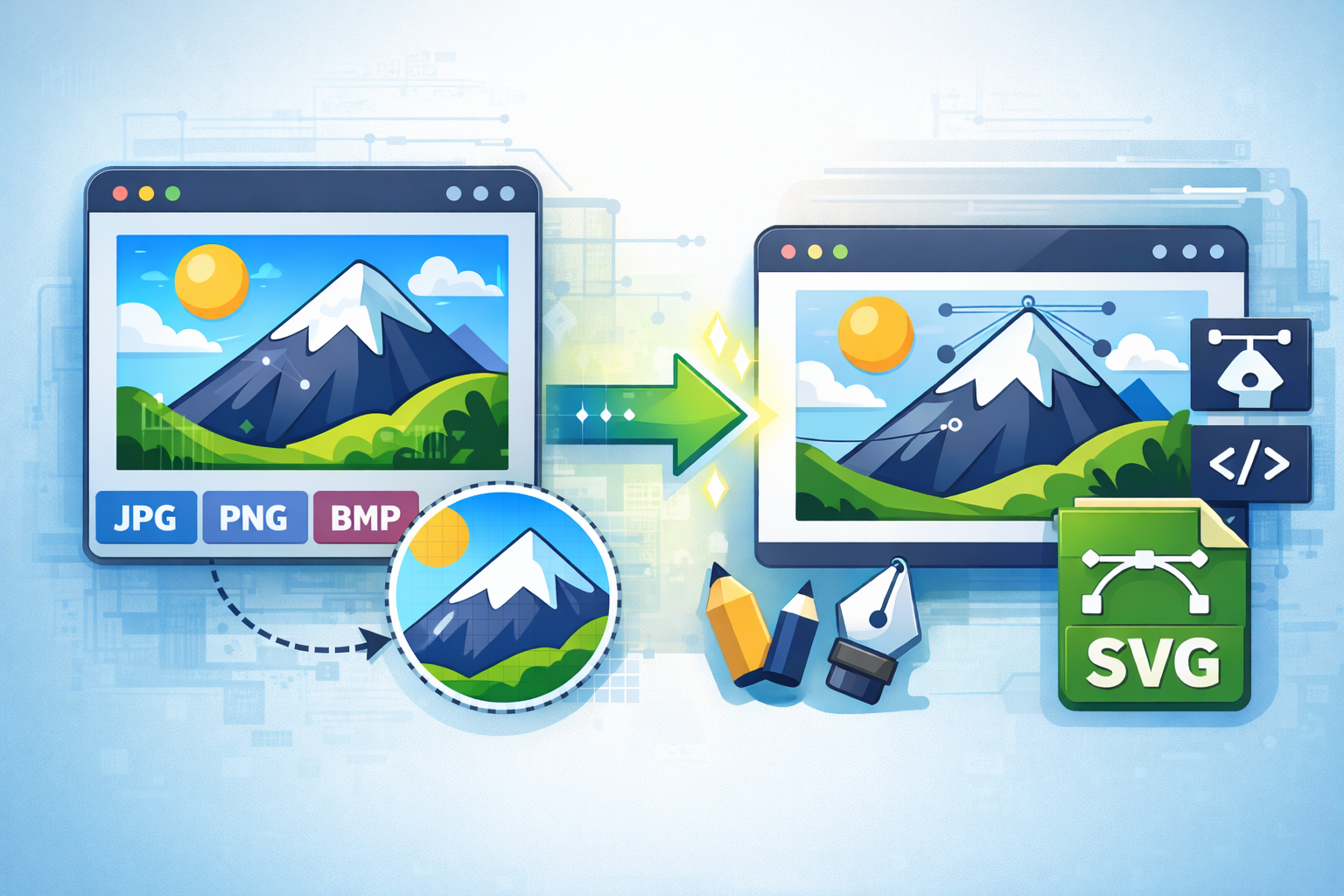
Knowing how to select the right image format to meet your needs is vital in the modern world of digital. When you’re designing a site or creating graphics for social media or sending images via email The format you select can impact quality load speed, compatible and the size of your storage.
A lot of people upload photos without considering the design. But, choosing the wrong one could cause slowdowns on websites, diminish the quality of images, or even cause compatibility issues. This is the reason that understanding about the advantages and disadvantages of the various formats is extremely valuable.
This guide will cover everything you should know about. We’ll go over common formats for images as well as their most efficient uses, optimization tips as well as mistakes to avoid and useful tools. In the end you’ll know how to choose the most appropriate format for your needs regardless of the situation.
Understanding Image Formats
What Is an Image Format?
Image format is the type of file that can be used to store digital pictures. Each format employs a distinct method for compressing and showing images.
Common examples include:
- JPEG (.jpg)
- PNG (.png)
- GIF (.gif)
- WebP (.webp)
- SVG (.svg)
- TIFF (.tiff)
The formats differ in a variety of crucial aspects:
| Feature | Description |
|---|---|
| Compression | How does the image reduce the size of the file |
| Transparency | Ability to display transparent backgrounds |
| Animation | The format can be used to support motion |
| Scalability | If the image is able to resize without compromising quality |
| Compatibility | Support across devices and browsers |
Knowing the difference will be the initial step towards understanding how to choose the most appropriate image format to meet your needs.
Why Choosing the Right Image Format Matters
The choice of the right image format can affect the quality of digital content in many ways.
Website Performance
Large images cause slowdowns on websites. Faster websites improve the user experience and rank higher in SEO.
Image Quality
Certain formats retain the quality more than other formats. Designers typically require sharp images for printing or screens with high resolution.
Storage Efficiency
Effective formats can reduce the size of files while ensuring the quality.
Compatibility
Certain formats are better suited to devices and browsers.
Understanding How to Select the ideal image format for your needs will ensure that your images are stunning while maintaining their performance.
Overview of Common Image Formats
JPEG (JPG)
JPEG is among the formats most frequently used on the internet.
Ideal for:
- Photographs
- Images from social media
- Content on the website
Advantages
- Small sizes of files
- Good compression
- Widely compatible
Disadvantages
- Lossy compression
- There is no Transparency
PNG
PNG files can be compressed losslessly and transparency.
The best choice for:
- Logos
- Graphics
- Screenshots
Advantages
- Transparent backgrounds
- Images with high-quality
- Compression that is lossless
Disadvantages
- Larger file sizes
GIF
GIF is well-known for its simple animations.
The best choice for:
- Memes
- Small animations
- Simple graphic
Advantages
- Animation support
- Small file size for basic visuals
Disadvantages
- Limited to 256 colors
- Not the best for photography.
WebP
WebP is an advanced image format designed to improve the performance of websites.
Ideal for:
- Websites
- Images online
- Modern browsers
Advantages
- File sizes smaller are smaller than JPEG and PNG
- Helps to promote Transparency
- Animation support
Disadvantages
- Insufficient compatibility with older software
SVG
SVG is an open-source vector format that is used to create graphic designs that can be scaled.
Ideal for:
- Logos
- Icons
- Illustrations
Advantages
- Infinite scalability
- Small size file
- Ideal for responsive design
Disadvantages
- Unsuitable for photos.
TIFF
TIFF is widely used in professional photography and printing.
Ideal for:
- Printing
- High-resolution photography
- Archiving
Advantages
- Excellent quality
- No compression loss
Disadvantages
- Very large files
Key Factors to Consider When Choosing an Image Format
Understanding the requirements of your project can help to determine the most suitable layout.
Image Purpose
You can ask yourself:
- Is the image intended for printing or web?
- Are you looking for a picture or a graphic?
Photos are usually best in JPEG or WebP Graphics typically are best as SVG or PNG.
File Size Requirements
Websites require smaller files for faster loading.
Images that are large can cause a longer the time it takes to load a page and also negatively impact SEO.
Tools such as TinyPNG or Squoosh can be used to reduce size but not sacrifice quality.
Find out More about optimizing images here.
https://developers.google.com/speed/webp
Transparency Needs
If your image requires an untransparent background, think about:
- PNG
- WebP
- SVG
JPEG is not a transparent format.
Scalability
If you are designing logos or icons which need to be scaled down without compromising the quality of their design, vector formats such as SVG are the best choice.
Browser Compatibility
While modern formats such as WebP are very effective, you must ensure that your users’ browsers are compatible with them.
Modern browsers are now able to have support for WebP and WebP is an ideal option for optimizing your website.
Comparison Table of Image Formats
| Format | Compression | Transparency | Animation | Best Use |
|---|---|---|---|---|
| JPEG | Lossy | No | No | Photographs |
| PNG | Lossless | Yes | No | Graphics |
| GIF | Lossless | Limited | Yes | Simple animation |
| WebP | Lossy/Lossless | Yes | Yes | Web images |
| SVG | Vector | Yes | Limited | Logos/icons |
| TIFF | Lossless | Yes | No | Printing |
Common Mistakes When Choosing Image Formats
Many novices make a mistake that is avoidable when choosing image formats.
Using PNG for Large Photos
PNG files are more in size than JPEG or WebP and can cause slow websites.
Using JPEG for Graphics
JPEG compression can result in blurred edges on text and logos.
Ignoring Modern Formats
Certain websites rely in JPEG as well as PNG. WebP is a powerful tool to improve speed of loading.
Not Compressing Images
Uploading images that are not compressed is a waste of both storage and bandwidth.
Learn to avoid these problems by you are learning how to choose the best image format for your requirements.
Best Tools for Image Format Optimization
overcoming stress are the most popular tools to assist in managing and converting images to various formats.
Image Compression Tools
- TinyPNG
- Squoosh
- ImageOptim
Image Editing Software
- Adobe Photoshop
- GIMP
- Affinity Photo
Online Converters
- CloudConvert
- Convertio
- Canva Image export tools
These tools help to play around with different formats and choose the best solution for your particular project.
Image Format Tips for Website SEO
The search engines consider page speed to be a significant ranking factor. Images can significantly impact load times.
Use Modern Formats
WebP reduces file size, without losing quality.
Compress All Images
Always compress prior to uploading.
Use Responsive Images
Provide different image sizes on desktop and mobile devices.
Add Alt Text
Alt text increases accessibility and improves SEO.
When to Use Each Image Format
overcoming stress is a short decision guide.
Use JPEG for:
- You’ve got detailed images
- The size of your file matters.
Use PNG for:
- You require Transparency
- The image is composed of graphics or text
Use WebP for:
- Optimizing website performance
- Reduced image size
Use SVG for:
- Making logos or icons
- Designing responsive graphics
Use TIFF for:
- Making images ready for professional printing
Future Trends in Image Formats
Technology is constantly evolving. New formats are improving performance.
AVIF
AVIF has smaller size files than WebP and still maintains high-quality.
AI-Based Image Compression
Tools for machine learning are enhancing compression while keeping particulars.
Adaptive Image Delivery
Modern websites automatically offer the most appropriate format based on the device of the user and browser.
Staying up-to-date helps you understand How to Select the best image format for your requirements for future projects.
FAQs About How to Choose the Best Image Format for Your Needs
1. What is the most suitable image format for web pages?
WebP is usually the most suitable choice since it offers high-quality with small file size, thereby improving web page performance.
2. Should I use PNG or JPEG for photos?
JPEG is generally preferred for photographs because it is efficient in compressing images and still maintains the quality of images.
3. Why are PNG files larger than JPEG files?
PNG employs lossless compression that means it saves all data in the image. JPEG utilizes lossy compression, which eliminates certain information to decrease the size of the file.
4. Is WebP better than JPEG?
In most instances the majority of cases, yes. WebP generally produces smaller files but maintains the same or better quality of the images.
5. When should I use SVG images?
SVG is perfect for icons, logos, as well as illustrations that require scale with no loss of quality.
6. Can I convert image formats easily?
Yes. Numerous free editing and tools programs can convert quickly between formats, including JPEG, PNG, WebP and GIF.
Conclusion
Understanding how to select the best image format to meet your needs will greatly enhance any digital project. The correct format improves image quality and speeds up websites. It also minimizes storage space and also ensures compatibility across devices.
To summarize:
- JPEG is the best choice for images.
- PNG is perfect for graphics and transparency.
- WebP is ideal in modern-day web design.
- SVG excels at scaling logos and icons.
- TIFF is still useful for printing professionals.
If you know the strengths and weaknesses of every format, you will be able to pick the most efficient solution for your particular circumstance. If you optimize your images properly and use the proper tools, your images will load faster, appear more sharp, and will perform better on every platform.