
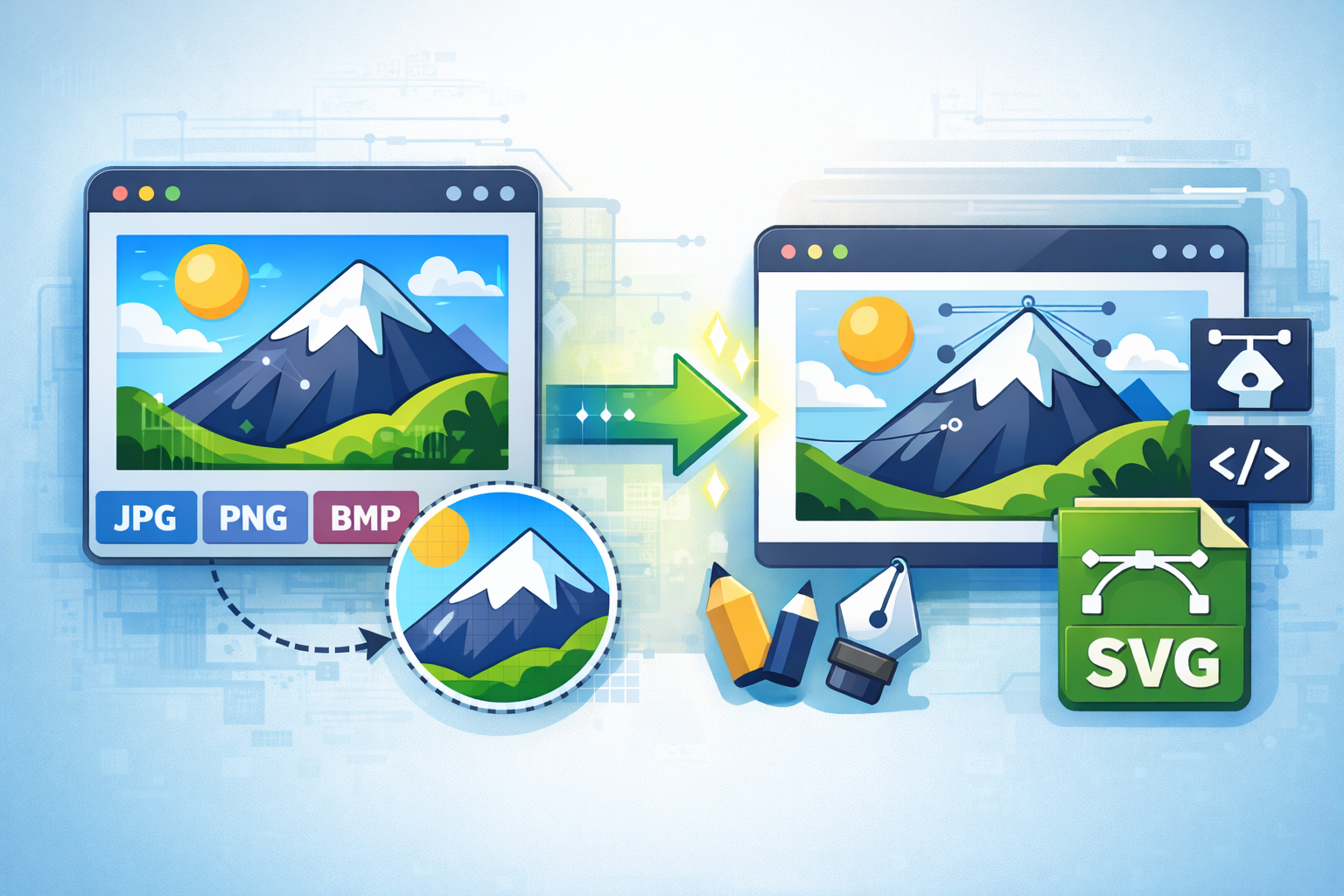
Introduction to Everything You Should Know About Image Conversion
Images dominate modern digital content. From blogs and websites as well as social media sites as well as online stores, images are essential to engaging users and increasing their engagement. However, pictures are typically available in various sizes, formats and compression levels that can affect loading speed quality and compatibility.
This is when the conversion of images is essential.
If you’ve ever had to convert a PNG file to JPG or convert an enormous image to a compressed version to speed up loading time or to convert the file to WebP for SEO optimization, then you’ve had the experience for image conversion.
In this complete guide to Everything You Need to Be Educated about Image Conversion We will look at:
- What is the definition of image conversion?
- Why is it important for digital content and websites
- Popular image formats and their applications
- The best Image Conversion Tools
- SEO optimization techniques
- Common errors to avoid
- Practical tips for maintaining image quality
When you finish this post, you’ll be able to comprehend how it works and how you can use it to your advantage.
What Is Image Conversion?
The process of image conversion refers to the method of changing an image format from one to another format.
For instance:
| Original Format | Converted Format | Purpose |
|---|---|---|
| PNG | JPG | Reduce the size of files |
| JPG | WebP | Improve website performance |
| TIFF | PNG | Enhance compatibility |
| HEIC | JPG | Support non-Apple devices |
Each format has its own distinct characteristics that include compression techniques, support for transparency and the size of the file.
Image conversion ensures that images are optimised for the purpose they were designed for.
Why Image Conversion Matters
Conversion of images is more essential than most people think. Correctly converted images can enhance the performance of websites, their compatibility, and the user experience.
Faster Website Loading
Large images slow down websites. Converting images into optimized formats like WebP can drastically reduce loading times.
Improved SEO Performance
Search engines look at the speed of pages when evaluating websites. Images that are smaller and optimized aid in loading faster pages increasing SEO.
Google even recommends using more modern formats, such as WebP.
Find out more about it here:
https://developers.google.com/speed/webp
Better Compatibility
Certain image formats are only compatible only on specific platforms or devices. Conversion makes sure that images function across all operating systems and browsers.
Reduced Storage Usage
Compressed images use less space in storage and are particularly crucial for websites that host hundreds of photos.
Common Image File Formats Explained
Understanding the formats of images is crucial for converting images successfully.
JPEG (JPG)
JPEG is among the most popular image formats.
Key characteristics:
- High compression
- Small size file
- Perfect for photo shoots
However, it doesn’t provide for transparency.
PNG
PNG is widely used for logos, graphics and images that require transparency.
Advantages:
- Compression that is lossless
- Background support that is transparent
- High image quality
Disadvantages:
- File sizes that are larger than JPG
WebP
WebP is a new format that was developed by Google.
Benefits:
- File size smaller than JPG and PNG.
- Maintains high-quality
- Promotes Transparency
WebP is now supported by a majority of the modern browsers.
GIF
GIF files are typically used to create simple animations.
Characteristics:
- Limited color palette
- Small size file
- Animation support
But, it’s not a good choice for images with a high quality.
TIFF
TIFF is widely used for professional printing and photography.
Advantages:
- Very high-end
- Lossless format
Disadvantages:
- Very large size of file
How Image Conversion Works
Image conversion usually involves two major techniques:
1. Decoding the Original Image
The software opens images from the file in question and extracts the data in pixel pixels.
2. Encoding into a New Format
This image then gets converted by using the algorithm of that new format.
Compression can be used to decrease the size of files.
There are two kinds of compression:
| Compression Type | Description |
|---|---|
| Lossy | Removes image data in order to reduce the size of files |
| Lossless | All original data is kept while compressing |
The choice between them is contingent on the purpose for which you intend to use the image.
Best Image Conversion Tools
Numerous tools let users convert images quickly.
Online Image Converters
Online tools are simple and don’t require any installation.
Some of the most popular choices are:
- CloudConvert
- Convertio
- Online-Convert
- Zamzar
These tools support a myriad different image format.
Desktop Image Conversion Software
Desktop applications give you greater control and more advanced features.
Examples include:
- Adobe Photoshop
- GIMP
- XnConvert
- IrfanView
They allow batch processing as well as sophisticated compression options.
Mobile Apps
Image conversion software is also available for smartphones.
Common applications comprise:
- Image Converter (Android)
- File Converter (iOS)
These apps let you make rapid format changes right from your smartphone.
Image Conversion for SEO Optimization
Image optimization is a key component of SEO.
Use Modern Image Formats
Modern formats like WebP dramatically reduce the size of files.
Smaller files increase page speed as well as user satisfaction.
Optimize Image Dimensions
Images should be sized to match the size of your site.
Uploading huge images consumes bandwidth.
Compress Images Properly
Compression can reduce file size but without significant quality loss.
Common compression levels:
| Image Type | Recommended Compression |
|---|---|
| JPG | 70-85% quality |
| PNG | Compression that is lossless |
| WebP | 60-80% quality |
Add Proper Image Metadata
Always Include:
- Alt text
- Descriptive filenames
- Image captions
They help search engines comprehend the content.
Batch Image Conversion Explained
Batch conversion allows for multiple photos to be transformed at the same time.
Benefits include:
- It saves time
- Maintains consistent settings
- Ideal for libraries of large images
Most desktop tools support batch conversion features.
For instance, photographers typically transform hundreds of RAW images into JPEG as well as PNG formats by using batch tools.
Maintaining Image Quality During Conversion
The quality of images can decrease with conversion, especially when working with lossy formats.
Check out these guidelines:
- Begin with images of high-resolution
- Beware of repeated conversions
- Select appropriate compression settings
- Utilize professional tools as often as possible.
Repetition of conversions between lossy formats could forever reduce the quality.
Common Mistakes in Image Conversion
A lot of users make errors that affect image quality and the performance of websites.
Converting Too Many Times
Repetition of conversions can cause cumulative loss of quality.
Keep an original copy of the file.
Using the Wrong Format
Different formats are created for various purposes.
For instance:
- PNG graphics for graphic
- JPG to use for photography
- WebP is a web-based protocol for websites.
Ignoring Image Compression
Large images can slow down websites.
Always compress images in a way that is appropriate.
Uploading Oversized Images
Uploading a picture of 5000px when only 800px is sufficient is a waste of bandwidth.
Resize images prior to uploading.
Image Conversion for Different Industries
Different industries heavily rely in image transformation.
Web Development
Developers convert images into optimized formats such as WebP to speed up page loading.
E-Commerce
Online stores make use of compressed images to ensure that product pages load quickly.
Photography
Photo editors convert RAW files to JPG or TIFF to edit and distribute.
Graphic Design
Designers frequently convert images to PNG in order to keep the transparency.
Security and Privacy Considerations
When using online image converters, privacy matters.
Important information:
- Beware of uploading images that are sensitive
- Use trusted conversion services
- Delete files after processing if possible
Desktop software is generally more secure for files that are confidential.
Future Trends in Image Conversion
Image technology is constantly evolving.
New trends are:
AI-Based Image Compression
Artificial intelligence can help reduce the size of files while maintaining quality.
Next-Generation Formats
New formats like AVIF can offer better compressibility than WebP.
Automated Image Optimization
Modern CMS platforms automatically optimize and convert images when they are uploaded.
Frequently Asked Questions
1. What exactly is image conversion used to do?
Image conversion converts an image from one format to another, allowing for better compatibility, decrease the size of files or make it more suitable for a particular platform.
2. Which image format is best for websites?
WebP is one of the most popular web formats as it is a great compression format with the least loss of quality.
3. Does image conversion reduce quality?
It is dependent what format you choose. Formats that are lossy like JPG could reduce quality however lossless formats like PNG retain the original image’s data.
4. Can I convert images without losing quality?
Yes. Converting lossless formats to PNG or TIFF preserves the image quality, but the size of files can increase.
5. What is the fastest way to convert many images?
Batch image conversion tools permit the conversion of multiple photos at the same time which saves both time and energy.
6. Is online image conversion safe?
It’s safest If you are using reliable services. Be careful not to upload sensitive or private images.
Conclusion
Knowing the basics about image Conversion is vital for all those using digital photos. If you’re a web developer, blogger photographer, designer, or developer Image conversion plays an important role in enhancing compatibility, speed and overall quality.
When you choose the best formats for your images and using reliable tools for conversion and following appropriate optimization strategies, you will be able to dramatically improve the speed of your website as well as storage efficiency as well as the overall experience for users.
As technology develops and new formats are developed and new formats are created, mastering image conversion will always be an essential expertise in the digital world.