
Introduction
Images play a significant function in the modern digital world. When you have your own blog, run an e-commerce site or even share content via social media images are usually the first thing people see. But, just uploading images to the internet isn’t enough. For optimal performance and to keep quality high, you need to be aware of the best practices for conversion and using Images Online.
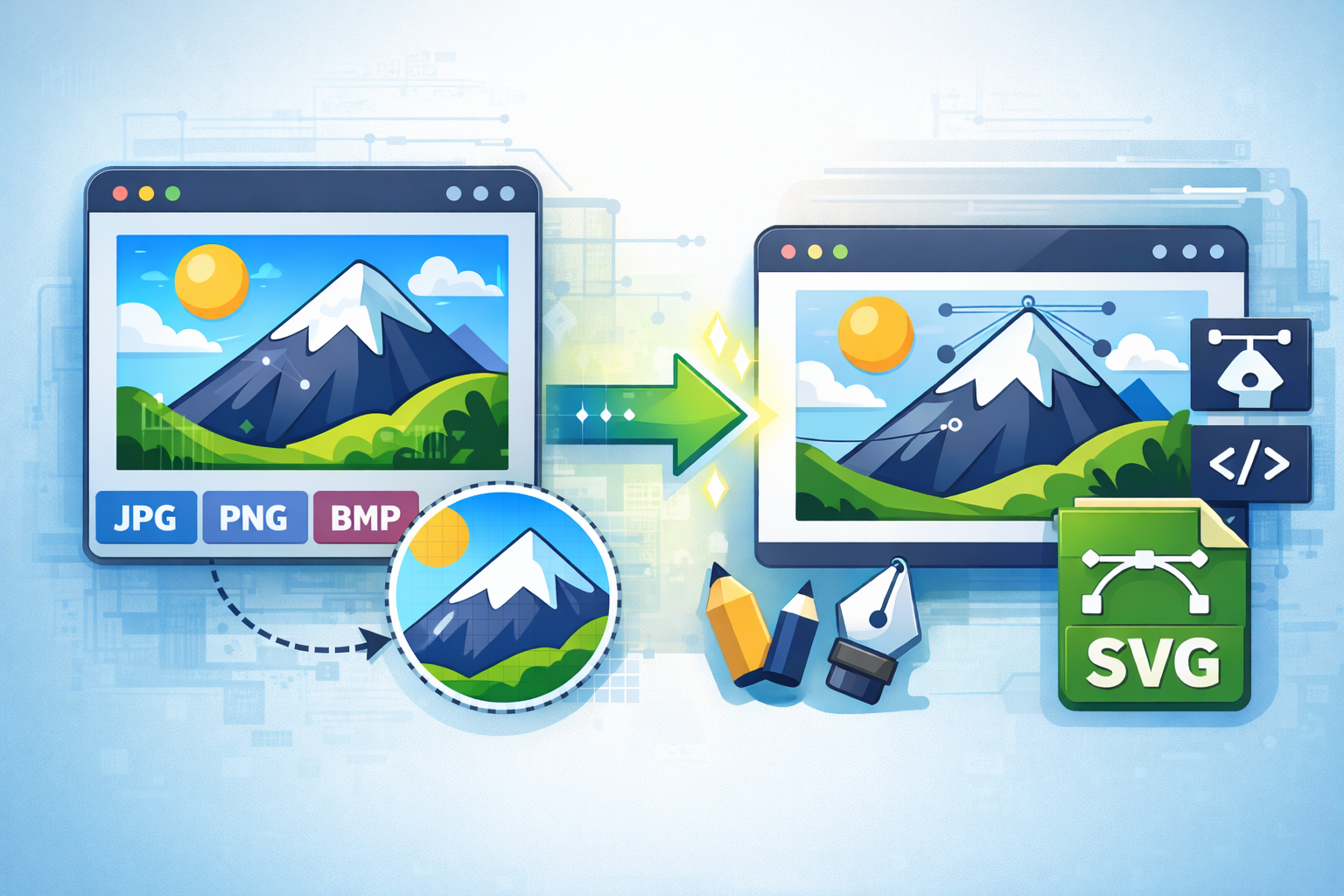
Image conversion is the process of the conversion of an image between formats format, like changing PNG into JPG as well as JPG in WebP. The proper usage involves making sure that the file size is optimized, selecting the appropriate formats, and making sure that they are compatible across different devices.
If properly done If done properly, optimized images boost site speed, boost SEO rankings and improve the user experience. However badly optimized images can slow websites down as well as increase bounce rates and negatively impact search rankings.
This guide will provide the most efficient methods, tools, and methods to help you convert and utilize images online effectively. In the end you’ll know how to choose the appropriate format, and compress images without sacrificing quality and avoid the common mistakes that a lot of users make.
Understanding Image Formats
Selecting the right image format will be the initial step to the correct photo conversion, and optimizing.
JPEG (JPG)
JPEG is among the most widely used image formats available online. It is ideal for photos and images with a lot of shades.
Advantages:
- Small file sizes
- Perfect for photo shoots
- Widely loved and
Disadvantages:
- Lossy compression can reduce quality after several edits.
PNG
PNG files are of high-quality and also support transparent backgrounds.
Advantages:
- Compression that is lossless
- Helps to promote Transparency
- High-quality graphics
Disadvantages:
- More file sizes when compared to JPEG.
WebP
WebP is a new format specifically designed for optimizing web sites.
Advantages:
- Smaller file sizes
- High-quality compression
- Faster website performance
Disadvantages:
- Some older browsers.
GIF
GIF images allow animation, however they are limited in depth of color.
Advantages:
- Perfect for animations with a short duration.
- Small files to create simple graphics
Disadvantages:
- Poor quality image quality for clear visuals.
Why Image Conversion Matters
Knowing the significance of conversion of images can help you develop better sites and content.
1. Faster Website Loading
Large images make websites slow to load. Converting images into optimized formats such as WebP reduces the size of the file and speeds up loading.
2. Better SEO Rankings
Search engines look at the speed of a website as a factor in ranking. Optimized images can improve site performance and improve the visibility of your site.
3. Improved User Experience
Users prefer pages that load quickly and have stunning images. A well-designed image use strategy keeps users active and decreases bounce rates.
4. Storage Efficiency
Smaller images need less storage space, which is especially beneficial for websites that host many thousands of pictures.
Choosing the Right Image Format for the Web
The correct format to choose will depend on the content type and the way you use it.
| Image Type | Best Format | Reason |
|---|---|---|
| Photography | JPEG | Smaller size and high-quality |
| Graphics | PNG | Compression that is lossless |
| Images from websites | WebP | The most balanced combination of quality and dimension |
| Animations | GIF | Animation support |
If you can, use new formats such as WebP are suggested since they provide superior compression, while preserving high-quality visuals.
Best Tools for Image Conversion
A variety of online tools can make conversion of images simple and fast.
1. Online Image Converters
Web-based converters permit users to upload images to convert them in a flash.
The most popular tools are:
- CloudConvert
- Zamzar
- Convertio
These tools can be used with different formats and do not require installation.
2. Image Editing Software
Professional software gives greater control over the conversion of images.
Examples include:
- Adobe Photoshop
- GIMP
- Affinity Photo
These programs support batch conversions, as well as sophisticated compression options.
3. Website Optimization Plugins
For website owners, plugins can automate image optimization.
Examples:
- ShortPixel
- Smush
- Imagify
They automatically compress, convert and resize images once uploaded.
Image Compression Techniques
Image compression can reduce the size of files while preserving acceptable visual quality.
Lossy Compression
Lossy compression eliminates certain image information to reduce file size.
Benefits:
- Smaller file sizes
- Faster loading
Drawbacks:
- Slight quality reduction.
Lossless Compression
Lossless compression can reduce the size of files without compromising image quality.
Benefits:
- Perfect image quality
- Perfect for graphic designs
Drawbacks:
- More large file sizes when compared to lossy compression.
Optimizing Images for SEO
Optimized images can increase the visibility of search engines and performance of websites.
Use Descriptive File Names
In lieu of calling files such as IMG123.jpg, use the descriptive names like:
best-image-conversion-tips.jpg
This allows search engines to understand the contents of the image.
Add Alt Text
Alt text can improve accessibility and improves SEO.
Example:
alt="image converter tools' interface"
Search engines utilize alt text to comprehend images’ content.
Resize Images Before Uploading
Uploading large files or scaling them down using CSS is a waste of bandwidth. Always adjust the size of images prior to uploading them.
Use Modern Formats
The conversion of images into WebP or AVIF drastically reduces the size of files and speeds up loading.
Common Mistakes When Converting Images Online
A lot of users make errors which affect image quality as well as web performance.
1. Using the Wrong Format
If you choose to use PNG images, it will dramatically increase the size of your files.
2. Ignoring Compression
Directly uploading raw images from cameras can result in unnecessary huge files.
3. Repeated Conversions
The conversion of the same image several times decreases the quality.
4. Not Resizing Images
High-resolution prints designed for printing are typically too big for use on the web.
Security Considerations When Using Online Tools
When you use online image converters security is an important aspect to consider.
Choose Trusted Platforms
Make sure to use reputable conversion services that have strong privacy guidelines.
Avoid Uploading Sensitive Images
If images contain information that is confidential do not upload the images to converters online.
Delete Temporary Files
Many online services keep uploaded files for a short period of time. It is best to delete them as soon as possible.
Advanced Tips for Image Optimization
Use Lazy Loading
Lazy loading can delay loading images until the user scrolls to them. This speeds up page loading.
Implement Responsive Images
Images responsive automatically adjust to various screen sizes.
Use a Content Delivery Network (CDN)
CDNs save image copies on worldwide servers, allowing them to deliver content more quickly.
Automate Image Optimization
Automation tools can compress and convert images at uploading, which can save time.
Frequently Asked Questions (FAQs)
1. What is the ideal way to display images on websites?
WebP is usually regarded as the most suitable format since it is high-quality with smaller file sizes than JPEG or PNG.
2. Does converting images reduce quality?
It’s all about the method. Lossy compression decreases quality a bit however lossless compression retains the original quality.
3. How can image optimization aid SEO?
Yes. Optimized images can improve the speed of a page and user experience, both of which are crucial SEO factors that determine ranking.
4. What is the ideal image size for web pages?
It is different based on the layout, however most web images should be less than 200KB for the best performance.
5. Are online image converters safe?
The majority of trusted services are safe, however, avoid uploading images that are sensitive and instead use reliable platforms.
6. How do convert images without sacrificing quality?
Utilize lossless formats such as PNG or choose high-quality compression settings for conversion.
Conclusion
Knowing the best practices for converting and using Images Online is essential for anyone who manages digital content. Converting images correctly improves website speed, boosts SEO performance, and makes sure that the images look sharp on all devices.
When you choose the appropriate formats, compressing images efficiently and using reliable software that are reliable, you can dramatically improve your website’s performance and user experience. Avoid common mistakes like using large images or converting files in a series of.
In the end, optimized images lead to faster websites, more engagement, as well as better SEO visibility. Follow these guidelines today to ensure your images are working to benefit you and not hinder your website’s performance.